






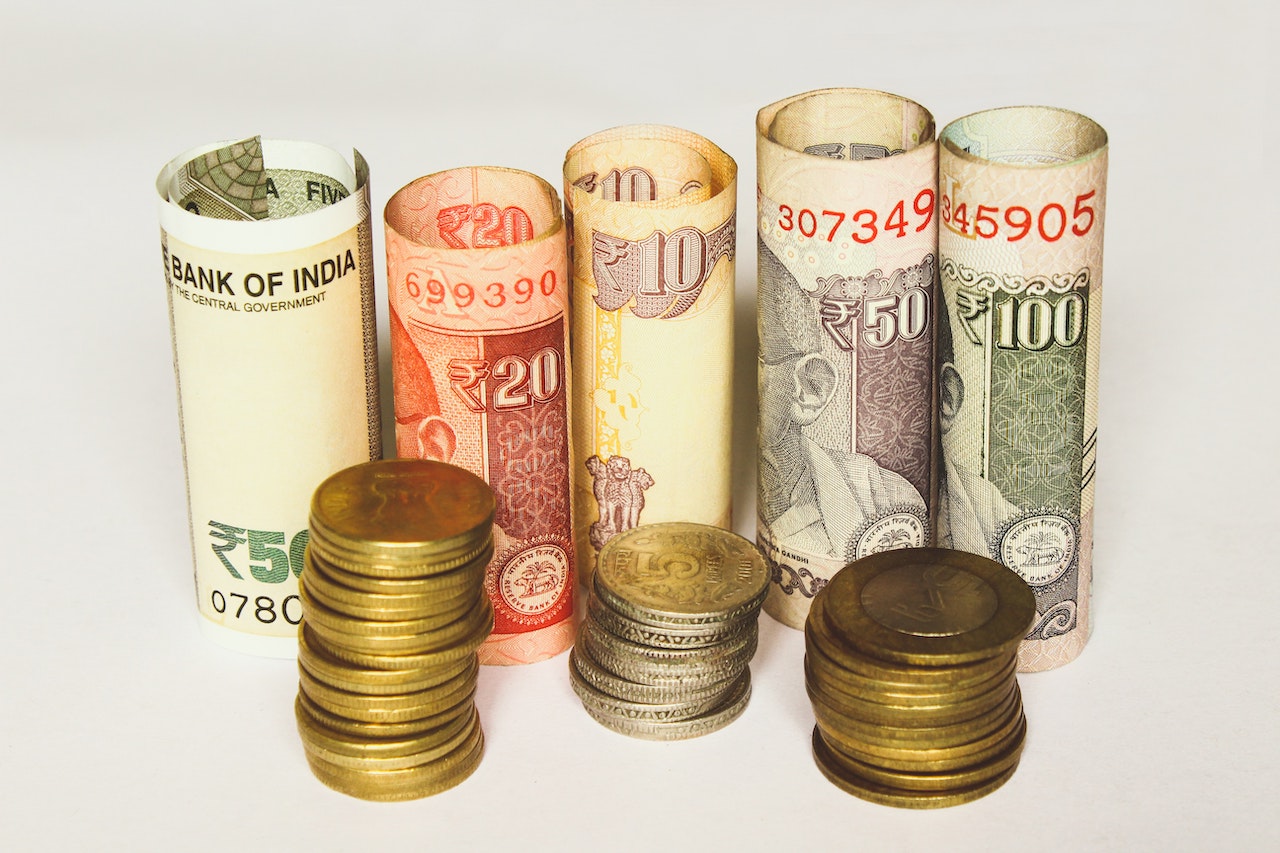













In the United States, money market funds can be divided into three categories according to the level of risk.
1, Treasury bill money market funds, which invest mainly in treasury bills, marketable securities guaranteed by the government, etc. These securities generally have a maturity of less than one year, with an average maturity of 120 days.
2,Diversified money market funds, which are commonly referred to as money market funds, usually invest in a variety of marketable securities such as commercial paper, treasury bills, securities issued by U.S. government agencies, negotiable certificates of deposit, bankers' acceptances, etc., which have similar maturities as the aforementioned funds.
3, Tax-exempt money funds, which are used primarily for short-term financing of high-quality municipal securities, also include municipal medium-term bonds and municipal long-ter
The differences between stock options and restricted stock lie in four areas: symmetry of rights and obligations, symmetry of rewards and penalties, waiting period versus confinement period and exercise price versus grant price.
Early options trading in the US began in 1872, founded by the then famous financier Russell, and at that time included call and put options, the market was always OTC and required trading through brokers.
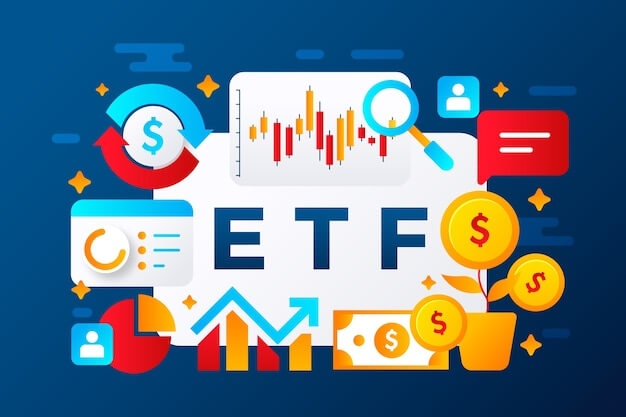
Many investors now have many misconceptions about ETF funds, which not only makes many people fearful in the investment process, but also increases investment risks. ETF funds are actually a kind of fund with relatively low market penetration, and customer participation itself is very limited.
There are some companies that are inherently riskier than others. Just look at the unprofitable biotech companies whose stock prices fell from the sky to the ground after their miracle drugs failed to pass FDA approval.
Bitcoin was conceived in 2008 by Satoshi Nakamoto in his paper "A Peer-to-Peer Electronic Cash System" and was officially launched on January 3, 2009, when the Genesis block was born (the Genesis block This is the initial block of the blockchain).