Home Blockchain

Blockchain

Relevant frontier theories, technical knowledge and application cases of blockchain.

What Is Bitcoin?

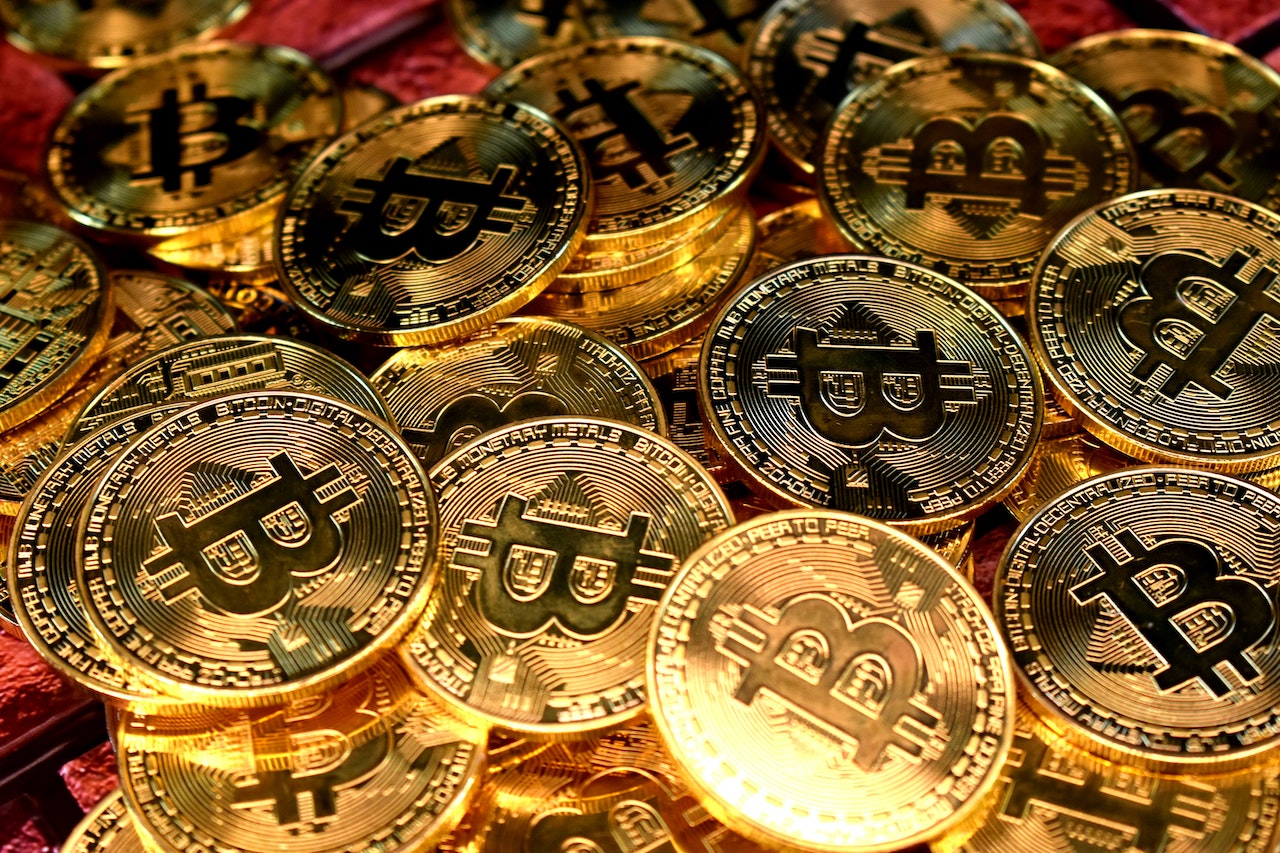
Bitcoin is a consensus network that makes possible a new payment system and a fully digital currency.

Are "Shitcoins" hurting the blockchain?

The recent surge in the number of initial coin offerings has generated all sorts of promises.
What Is the Xrpl?

XRP Ledger (XRPL) is an open-source platform with a fast transaction throughput of 1500 transactions per second and low transaction fees.

Introduction To the Eos Blockchain Project

EOS is one of the stormy ICO projects in blockchain, the ICO lasted for a year and I heard that 4 billion magnesium was raised through ETH Token.

Dash - The Anonymous Cryptocurrency with Special Features

Dash (formerly known as Darkcoin, also known as Digital Cash) is a digital currency that has quietly crept its way into the top 10 largest cryptocurrencies.

Bitcoin And Gcoin Technology and Applications

Blockchain is infrastructure, not for the fastidious and highly predatory Bitcoin is an application of the blockchain, while Gcoin is the underlying protocol of the blockchain.

Who created Bitcoin? How Bitcoin Works

On November 1, 2008, a mysterious cryptography geek named Satoshi Nakamoto released a Bitcoin white paper on the Internet.

A Beginner's Guide To The Prospect Of Investing In Ethereum

Ether is the other mainstream currency alongside Bitcoin. Among the thousands of virtual currencies, Ethereum has the second largest market capitalization in the world, after bitcoin.

A Brief Introduction To Ether

It is the same as understanding what is Ethereum first.

What is the value of Bitcoin? How to use Bitcoin?

Bitcoin has the mathematical characteristics of money (durability, portability, interchangeability, scarcity, separability and identifiability), but it does not rely on physical characteristics (such as gold and silver) or the trust of the central authority (such as fiat currency).

MOST POPULAR

In The Us, Money Market Funds Can Be Classified Into Several Categories According To Their Riskiness

In the United States, money market funds can be divided into three categories according to the level of risk.    In the United States, money market funds can be divided into three categories according to the level of risk.    1, Treasury bill money market funds, which invest mainly in treasury bills, marketable securities guaranteed by the government, etc. These securities generally have a maturity of less than one year, with an average maturity of 120 days.    2,Diversified money market funds, which are commonly referred to as money market funds, usually invest in a variety of marketable securities such as commercial paper, treasury bills, securities issued by U.S. government agencies, negotiable certificates of deposit, bankers' acceptances, etc., which have similar maturities as the aforementioned funds.    3, Tax-exempt money funds, which are used primarily for short-term financing of high-quality municipal securities, also include municipal medium-term bonds and municipal long-ter